0 items
view cart

Indica vs Sativa: differences, effects, cultivation and characteristics

Temps de lecture
⌛
5 min
Contents :
indoor, outdoor, greenhouse, indica and sativa... The world of CBD is full of technical terms specific to plant cultivation. Between genetics, cultivation methods and cannabinoids, it can sometimes be difficult to find your way around, especially for novices.
We've already seen the differences between greenhouse, indoor and outdoor growing methods.
Today, we're going to talk about sativa and indica strains, looking at the differences between the two and what they entail.
Indica vs sativa: a genetic difference?
Hemp, or cannabis, belongs to the Cannabaceae family. Historically, botanists have distinguished two main species within the Cannabis genus:
- Cannabis sativa L., mainly native to Eurasia, especially Central and Western Asia
- Cannabis indica Lam. native to the mountainous regions of India, Afghanistan and Pakistan
Some add a third species, Cannabis ruderalis, often considered a wild, auto-flowering variety.
Genetically, there is no clear separation between these different forms. Rather, they are sets of variable genetic traits shared between certain varieties, such as :
- THC/CBD ratio
- The production of certain terpenes in particular
- Growth and flowering time
- Morphological characteristics (height, density, leaf size, etc.).
In short, indica and sativa do not correspond to two totally distinct families, but to groups defined by characteristic traits, more or less objective, used to classify plants more easily.
What are the characteristics of cannabis sativa plants?
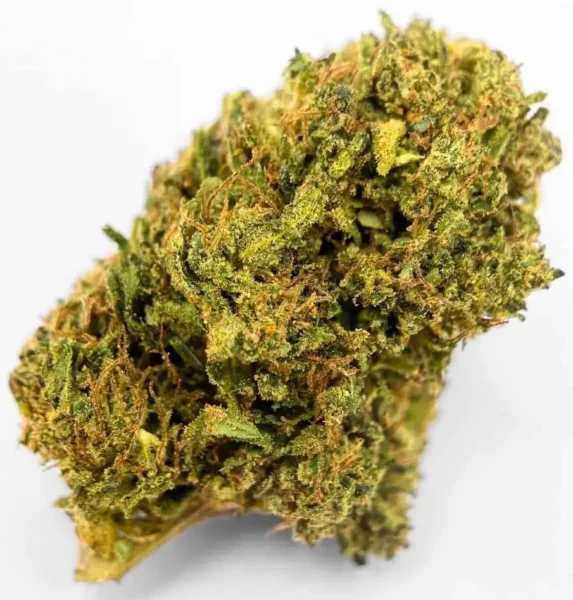
Originating in equatorial or tropical geographic zones, cannabis sativa plants are better adapted to hot climates, long days and intense sunshine. As a result, they often require powerful lighting over long periods. They also tend to flower longer. This combination of factors often makes them more difficult to grow, just like the famous Haze cannabis flowers.
Aesthetically, the plants are taller and more slender, with spaced branches that give them an airy appearance. Their leaves are long, thin and lighter in color. The flowers, like the plant, are airy, long and slender.
In terms of terpenes and cannabinoids, sativa varieties generally have a higher ratio of THC to CBD concentration.
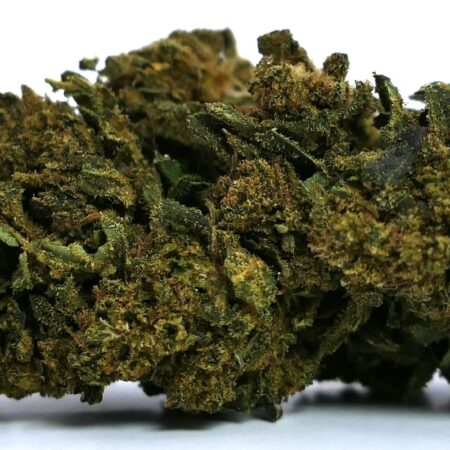
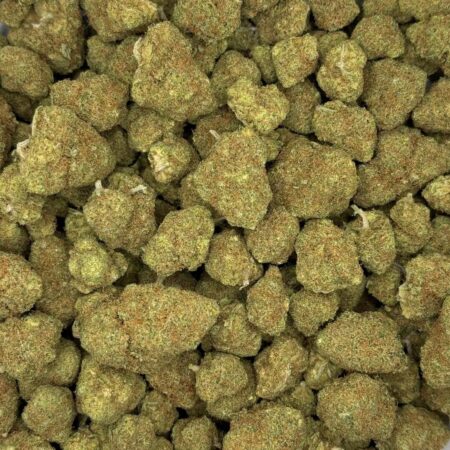
Terpenes most commonly found in cannabis sativa
The most representative terpenes are :
- Limonene: known for its citrus taste and stimulating effects.
- Pinene: with a taste reminiscent of pine, wood or basil, it brings a certain mental clarity and promotes concentration.
- Caryophyllene: woody, spicy and earthy, it gives flowers a soothing, relaxing effect.
The characteristic effects of sativa
The effects of sativa varieties are most often described as cerebral, energizing and conducive to creativity. They are often preferred for :
- Helps combat fatigue or lack of energy
- Stimulating creativity
- Improves mood in cases of mild depression or low morale
What are the characteristics of cannabis indica plants?
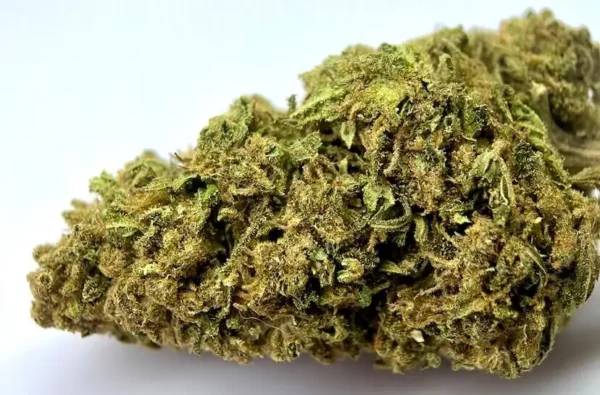
Plants in the indica family are native to cooler, mountainous and/or temperate regions. They are mainly found in the mountain ranges of Asia: in Afghanistan, Pakistan, India and Nepal.
Adapted to cooler climates and higher altitudes, where sunny days and seasons are shorter, they generally flower more quickly. They are also more robust and require less light, making them simpler and less costly to grow.
Aesthetically, indica plants are distinguished by their smaller size, compact, stocky and bushy appearance, with numerous tightly packed branches laden with thick leaves. Their leaves are wider, larger and thicker, with a darker hue. The flowers, meanwhile, are dense, heavy and compact, often darker in color and rich in resin.
In terms of active molecules, indica cannabis plants generally produce more CBD than Sativa varieties, although THC content remains higher than CBD.
The terpenes most commonly found in indica cannabis
The dominant terpenes are :
- Myrcene: also present in hops, this terpene produces earthy, musky aromas with sedative and soothing effects.
- Linalool: appreciated for its floral notes (lavender, spices, wood, citrus), it is known for its relaxing effects.
- Humulene: close to myrcene, it gives off woody, spicy and hoppy aromas, and also promotes relaxation and muscle release.
The characteristic effects of indica
The effects of indica varieties are often described as physical, relaxing and soothing. Indica flowers are generally used for :
- Helping you find sleep
- Combat stress and anxiety.
- Relieve chronic or muscular pain.
Sativa vs indica: summary table of characteristics
| Features | Cannabis sativa | Cannabis indica |
| Origin | Tropical and equatorial regions | Mountain regions |
| Ideal climate | Warm and humid | Temperate to cold |
| Plant size | Tall and slender | Small and compact |
| Leaves | Long, narrow, light green | Wide, thick, dark green |
| Flowers (buds) | Elongated, sparse, light | Compact, resinous, heavy |
| Flowering cycle | Long (12 to 16 weeks) | Short (6 to 9 weeks) |
| THC/CBD ratio | THC often high, CBD low | THC variable, CBD often more present |
| Dominant terpenes | Limonene, pinene, caryophyllene | Myrcene, linalool, humulene |
| Typical effects | Stimulating, euphoric, creative | Relaxing, sedative, corporal |
| Typical use | Daytime activities, creativity, sociability | Relaxation, sleep, pain management |
Indica and sativa: The best varieties
On our CBD shop, several indica and sativa varieties are appreciated for their terpene profile and aromas, as well as for their CBD concentration , which gives them powerful relaxing or energizing effects. Among them, the most popular are :
- Super Royal Haze, an indoor-grown sativa with 20% CBD
- White Widow V3, a 20% CBD indica grown in a greenhouse
- Amnesia , an indoor sativa flower with 20% CBD
- OG Kush 20% CBD indica grown indoors
Looking for the complete list of our best indica and sativa CBD flowers? Here are our top 10 most potent CBD flowers of 2025