0 items
view cart

CBD concentrates: everything you need to know about the different types and their extraction and manufacturing methods

Temps de lecture
⌛
9 min
Contents :
Some people find that flowers, however premium they may be, have one drawback : it is quite rare for them to exceed 25% CBD. That's good, but not enough for some. This is where we discover a whole new world: that of concentrates with products containing up to 80% CBD!
Hash is one of them, and while it is the most widespread, others, including some lesser-known varieties such as moonrocks, wax, crystals, shatter, terpsolators, crumbles, and isolates, are just as worth trying.
In this article, we take a closer look at CBD concentrates, their advantages, disadvantages, and methods of consumption, which are as varied as the concentrates themselves.
What is CBD concentrate?
The CBD concentrate family includes all products derived from the extraction of active molecules present in hemp flowers. Specifically, this involves various techniques that separate cannabinoids, terpenes, and flavonoids from the plant material. Each technique has its own specific characteristics and produces a different result, with a different texture, taste, and potency.
The two families of concentrates
Within the group of CBD concentrates, two subgroups are often distinguished:
Solvent-free extractions
Derived from mainly mechanical processes, solvent-free extractions are often considered more natural. This subgroup includes most resins, rosin, and moonrocks.
Solvent extractions
Solvent-based extractions are derived from chemical processes, using chemical reagents for BHO (butane honey oil) or supercritical CO₂ for crystals, isolates, and terpsolators.
The extracts obtained in this way are often highly concentrated, but the process must be carried out with great care, particularly in the case of BHO, as it is necessary to ensure that all chemical reagents are removed from the final product. This range includes shatter, wax, and crumbles.
Consuming concentrate rather than flowers: what difference does it make?
The proportion of active molecules in flowers varies between 10 and 30%, with the rest being plant matter and constituent molecules (chlorophyll, cellulose, hemicellulose, lignin, residual water, lipids/waxes, etc.). This means that nearly 70 to 90% of the material consumed has only a limited impact on the experience. It primarily influences the consumption experience itself.
With concentrates, it's completely the opposite: we extract as much as possible of the 10 to 30% of active molecules that make up the flowers to create a product in its own right. This type of product regularly reaches a concentration of 60 to 90%, so it has a much more pronounced effect in terms of sensation and produces a completely different consumption experience.
In concrete terms, to obtain 1 g of pure CBD, you need 4 g of flowers at 25%, whereas you only need 1.25 g of moonrock at 80% CBD. This means that the product is more expensive to buy, but more economical in the long term, as a lower consumption is sufficient to achieve the same CBD level.
Types of CBD concentrates explained
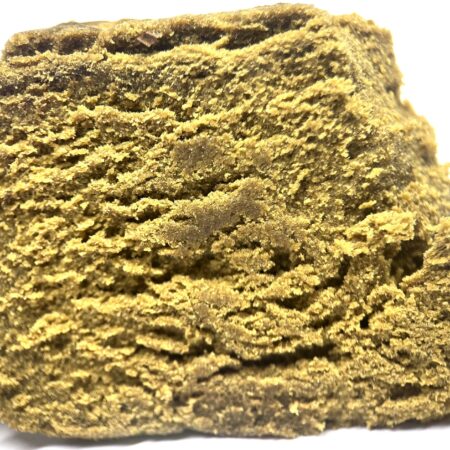
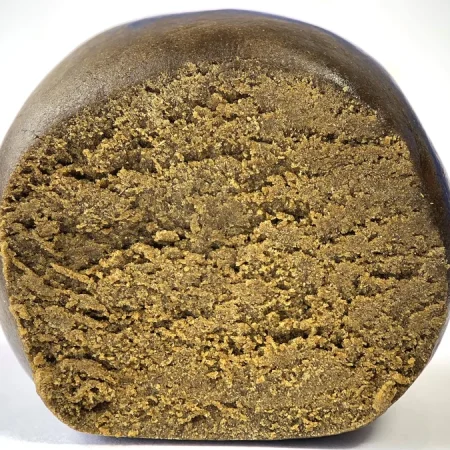
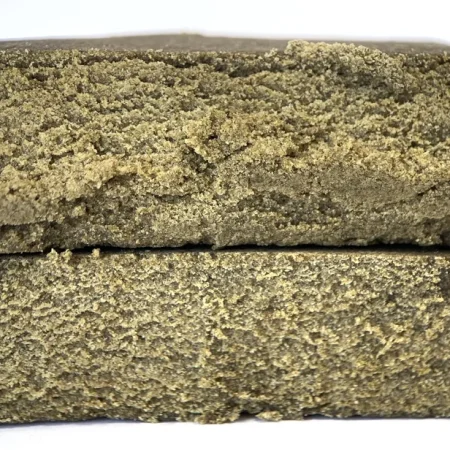
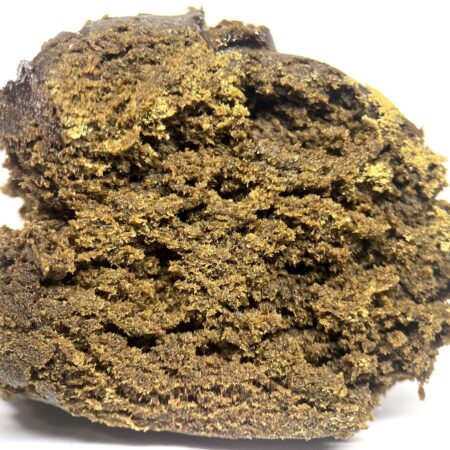
Resins, or CBD hashish
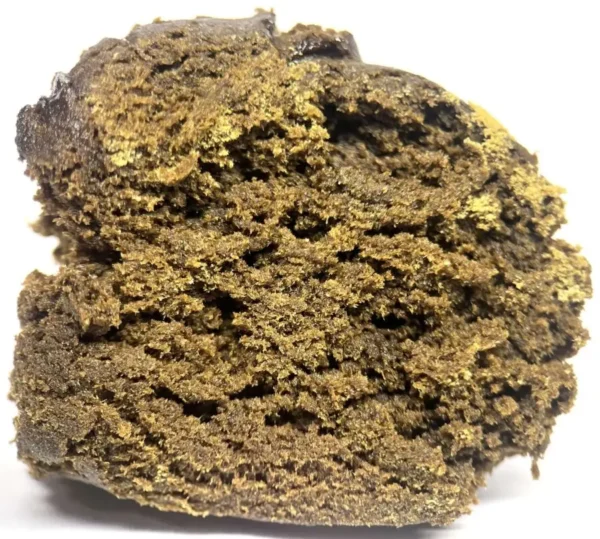
Certainly the best known and most widely used CBD concentrates, CBD resins have been produced since time immemorial. Traditional pollen extraction techniques involve rubbing the flowers by hand or on a sieve. These techniques, still used in several countries around the world, such as India and Morocco, are used to produce most traditional hashish and charas. However, other solvent-free techniques have since been developed. These include ice-o-lator, or ice water extraction, and static sift, an extraction method using static electricity.
The molecules extracted in this way are often referred to as CBD pollen before undergoing a hot or cold pressing stage, which gives the resin its final form.
The texture of resins is often crumbly, more or less malleable depending on the CBD concentration, and more or less oily.
The color ranges from light brown to black, depending on the concentration and the extraction and pressing techniques used.
CBD Moonrock
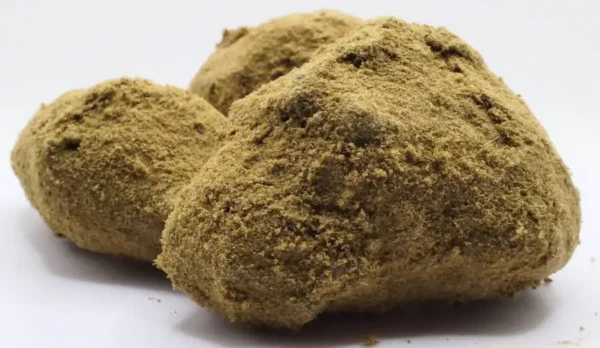
CBD moonrocks are one of the most iconic CBD concentrates of the 2010s–2020s. Popularized in the United States by the famous rapper Kurupt, they are basically CBD flowers infused with CBD wax and covered with pollen. The process gives the final product an irregular, dusty stone-like appearance, which is how it got its name, moonrock.
The process applied to CBD flowers generally achieves high concentrations of 60%, 80%, or sometimes even 90%.
The concept of moonrocks has been hugely successful, inspiring many imitators and creating a multitude of variations. Among them:
- small bud moonrock: the same principle is applied to small flowers, producing small concentrated "croquettes."
- Icerock: it stands out for its white, icy color. Depending on the case, this color may be the result of the final coating stage carried out with CBD isolate powder. In other cases, it is cryogenized CBD pollen.
- moonstone: This is a variation of moonrock that uses a different type of flower and coating, often described as softer, with a lighter color and a more lemony taste.
- Sun rock: another variation of moonrock, made from outdoor flowers. Sun rock often has a slightly lower CBD concentration, and is also less expensive.
Rosin and Live Rosin
Rosin and live rosin (the version made from fresh CBD flowers) are relatively recent extraction methods. The first mentions of these CBD concentrates appeared in the early 2000s, but it was in 2015 that they really gained popularity, when Phil "Soilgrown" Salazar perfected the process for his dispensary and publicly shared his trials and results.
The technique is appealing because of its simplicity: all you have to do is press a CBD flower between two heated plates. For dried flowers, the temperature is generally between 160°C and 200°C. In the case of live rosin, made from fresh material, the heat used is lower, ideally below 90°C, in order to best preserve the cannabinoids and terpenes. The technique is so simple that it can be done at home using just a hair straightener.
Under the combined effect of heat and pressure, a resinous concentrate naturally flows from the flower, with CBD content reaching 60 to 80% depending on the flower used.
BHO concentrates
BHOs, also known as hash oils, from which waxes, crumbles, and shattersare derived, are quite similar, although their texture and concentration vary depending on the extraction method and post-processing.
BHO techniques developed slowly throughout the 1970s, 1980s, and 1990s, mainly through experimentation in the underground scene. They gained new momentum at the turn of the 2000s, when a contributor identified as Indra B. Gurung (John Henry Davis) published a method called the "Hash Honey Oil Technique" on the Erowid library, describing the use of butane as a solvent to extract resin from cannabis.
This publication played a major role in the online dissemination of so-called "open-blast" hydrocarbon extraction processes, which popularized the idea of making concentrated oils yourself, even though these techniques are very dangerous. Fortunately, it didn't take long for "closed-loop" systems to be developed in the 2000s: equipment that contains, recovers, and recycles solvents in a closed circuit, making the process safer.
CBD wax
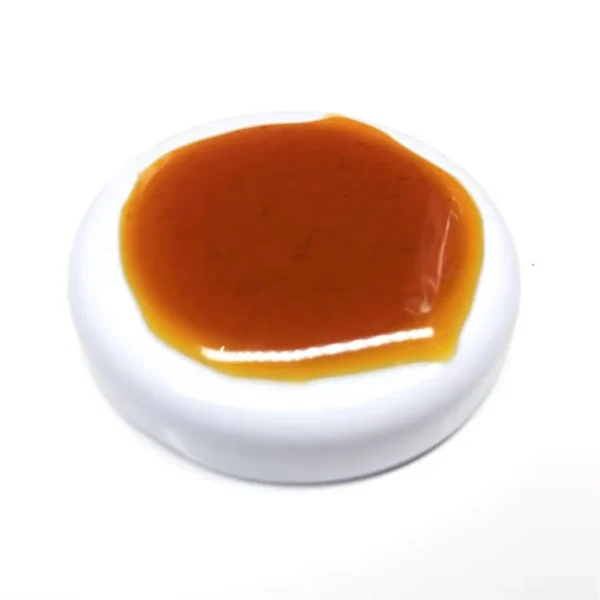
CBD wax is a concentrate produced by hydrocarbon extraction, recognizable by its softer, opaque, and slightly creamy consistency. To make wax, the cannabinoid concentrate must be heated and processed after purification so that it retains this soft and slightly sticky texture.
CBD levels vary depending on the raw material and refining process, but they are often between 60 and 80%. Wax often retains a significant portion of the terpene profile, giving it an aromatic intensity that is appreciated by consumers. Its malleability makes it easier to handle than shatter, while offering a high concentration of cannabinoids and a very distinctive taste.
Crumble CBD
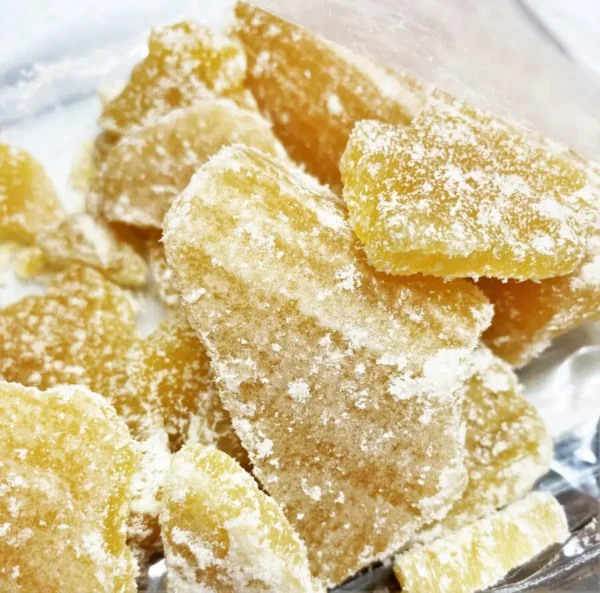
CBD crumble, sometimes called "honeycomb," is distinguished by its dry, crumbly texture, which is the result of a special technique.
Once the CBD has been extracted, it is purified to remove waxes and impurities, then gently heated under vacuum to remove any solvent residue. As it cools, the CBD takes on a dry, crumbly texture.
CBD concentrations generally range between 60 and 80%, depending on the quality of the raw material used. This type of CBD concentrate is often appreciated for its stability at room temperature and ease of use. In terms of aroma, it may have a slightly less intense profile than a wax richer in terpenes, but this depends heavily on the process and storage. Like other BHOs, it combines high concentration with low residual plant material volume.
CBD Shatter
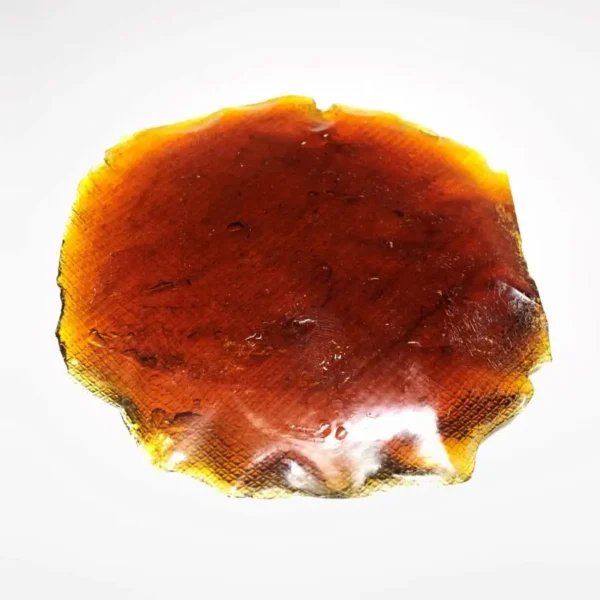
CBD shatter is recognizable by its translucent appearance and hard, brittle texture. Unlike wax and crumble, the extract is minimally processed after extraction: it retains its crystalline and compact structure, giving it a "broken glass" appearance, hence its name.
CBD levels can reach 70 to 90%, especially when it is produced through extensive refining. Shatter is generally appreciated for its visual purity and high concentration. However, its rigid texture can make it slightly less practical to handle than wax or crumble.
Hypercritical CO₂ extractions
Unlike BHO, supercritical CO₂ extraction is not an innovation specific to the world of cannabis. It is a technique developed in the 1970s for the food and pharmaceutical industries. It is used in particular for decaffeinating coffee and extracting natural flavors. It is mainly used for its precision and for the use of carbon dioxide as a clean, non-toxic, and recyclable solvent.
The first traces of its use in the context of cannabis date back to the early 1990s, but it became widespread in the 2010s with the gradual legalization of medical and then recreational cannabis in North America.
CBD isolate, crystals, and terpsolator
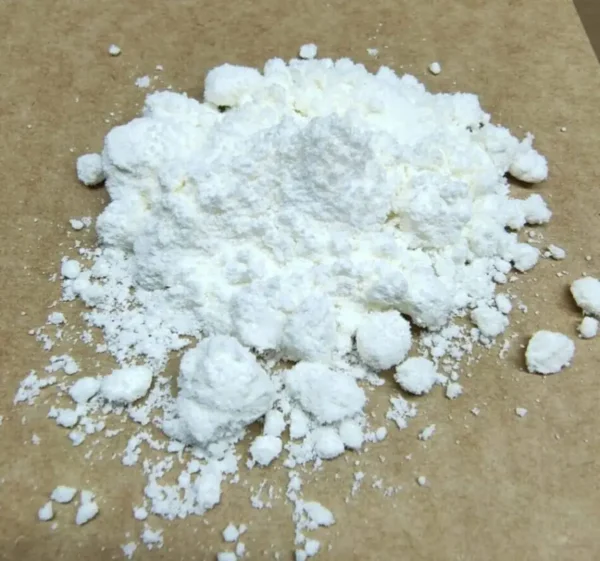
CBD crystals, isolate, and terpsolator are quite similar products. In fact, the basic process involves creating an isolate, to which several additional steps are added to obtain crystals, followed by further steps to obtain terpsolator.
To obtain isolate, we begin by extracting the CBD concentrate and subjecting it to several stages of refinement to remove waxes, terpenes, and other cannabinoids. The result is a white crystalline powder that generally contains more than 99% CBD. Highly valued for its neutrality and purity, isolate has no taste and allows for precise dosing. It can be used as is, but also to create oils, capsules, cosmetics, and food products.
To create crystals, a crystallization step is added to the purification process. This does not significantly alter the taste or composition of the concentrate, only its overall appearance in the form of small crystals.
Finally, for terpsolators (or terpsolates), CBD isolate or crystals are mixed with between 10 and 30% terpenes to obtain a stable, pure product with flavor that can offer an interesting aromatic experience.
How should CBD concentrates be consumed?
CBD concentrates can be consumed in different ways, depending on their texture, concentration, and the desired experience.
Vaporization (dabbing)
The most common method is to vaporize the concentrate using a suitable vaporizer or dab rig. The concentrate is heated to a high temperature to produce a vapor rich in cannabinoids and terpenes. This method allows for rapid absorption and a more pronounced effect than traditional flowers, due to the high concentration of CBD.
Add to a flower
Some consumers choose to add a small amount of concentrate to a CBD flower in a vaporizer. This technique increases the potency without completely altering the consumption experience.
Infusion and incorporation
Thanks to their purity and neutral taste, CBD isolates and crystals can be incorporated into culinary preparations or diluted in a fatty substance, such as vegetable oil or butter. CBD is fat-soluble, so it naturally binds to fats.
Some precautions
Since concentrates are significantly more potent than flowers, it is recommended to start with small amounts. The quality of the vaporization equipment and the origin of the product are also essential, especially for concentrates derived from solvent extractions.